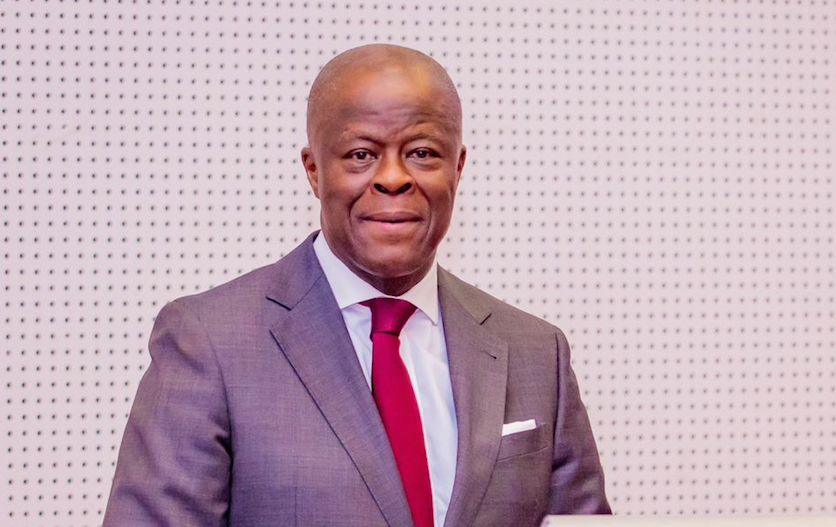

The Tinubu-led administration’s elimination of the fuel subsidy has stopped the bleeding that was costing 5% of the country’s GDP, according to Olawale Edun, the minister of finance and coordinating minister of the economy.
Speaking at the National Council on Finance and Economic Development (NACOFED) opening conference in Bauchi on Monday, which also happened to be the FAAC meeting, the minister pointed out that the country’s wealth had been 5% annually up to that point.
He clarified that prior to its elimination, the oil subsidy merely increased the value of a select few and the neighboring countries that benefited from it, along with other associated foreign exchange subsidies.
According to Edun, the subsidy was difficult and benefited a select few at the expense of the majority of Nigerians. The conference’s theme was “Hosting Economic Growth At Challenging Times, Strategies, Effective Policies and Partnership Physical Sustainability And Growth.”
He claims that the federation account is currently the one benefiting from a greater flow of funds to the federal, state, and municipal governments as well as from higher investments in social services like health and education, among other things, in addition to infrastructure.
Edun emphasized that “we are now back in business on the road to industrialization” and added that the country’s path is open for private sector investment now that the oil subsidy has been removed.
“What is happening in the crude petroleum refining sector is that crude oil is now being refined locally to provide raw materials for industries, rather than just being shipped abroad,” the minister said.
Therefore, he emphasized that the conference must take into account the federation’s finances as well as economic development at the state, federal, local government, and ward levels.
“The fact that we now have a more stable and sustainable microeconomic environment that is welcoming to investors and enables them to produce competitively for both domestic and export markets should be encouraging.”
“Our comprehension of each other’s circumstances, of each other’s financial and economic requirements, as well as the resources and potential they have and make available, the skills, and the specialization that is on the ground,” he continued.
The minister went on: “The administration of President Bola Tinubu inherited the assets and the liabilities, so there was no way to look back. Instead, it’s a matter of planning ahead and figuring out how to stabilize the economy first.”
“Then, secure investments from both domestic and foreign direct investors in the private sector to boost Nigeria’s productivity, expand the economy, generate employment, and, of course, lift a lot of people out of poverty.”
“Based on what is occurring in the petroleum refining sector, we are now back in business on the road to industrialization, and the road is clear for private sector investors.”
Bala Mohammed Abdulkadir, the state governor, said that it is an honor to host this momentous occasion and that it has demonstrated the value of teamwork in tackling the prospects and economic difficulties that lie ahead.
He claims that the same meeting, which was generally considered to be successful and significant, was held in Bauchi State 17 years ago.
“I promise you that we have worked extremely hard this year to make sure that this event exceeds expectations. Your dedication to improving Nigeria’s financial and economic environment is demonstrated by your attendance,” he remarked.
All attendees were urged by Governor Bala to make positive contributions for the good of all Nigerians.