
This alarming surge reflects broader economic forces that have hampered efforts to reduce food inflation in Nigeria.
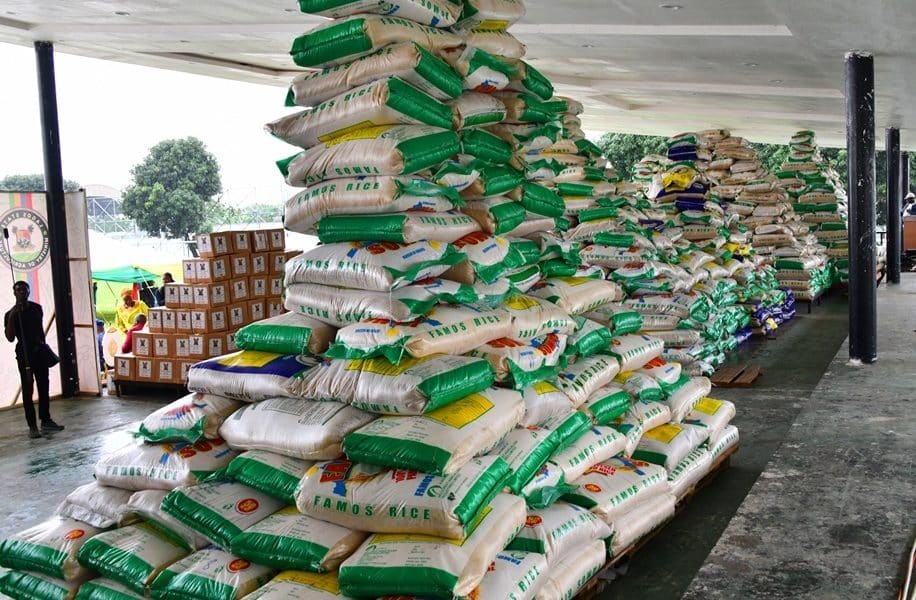
On July 8, 2024, the government announced a 150-day duty-free import window for vital agricultural commodities like as maize, husked brown rice, wheat, and cowpeas, with the goal of alleviating the consequences of food scarcity and price increases throughout the country.
However, nearly three months after its announcement, the plan has yet to take effect, owing to bureaucratic delays and the Federal Ministry of Finance’s refusal to publish a list of qualified importers in accordance with Customs instructions established in August.
During a recent press briefing, Minister of Finance Wale Edun stated that the government had requested maize and wheat imports to help stabilize the food market. Nonetheless, the anticipated policy implementation has not occurred, and the cost of imported food continues to rise.
The National Bureau of Statistics (NBS) reported a large increase in the average price of imported food, with a 30.6 price index increase between August and September 2024.
This represents an 8.97% increase over the 806.0 average price index reported in July 2024, when the duty-free import proposal was launched.
Year to date, the average imported food price has risen by 26.81 percent, indicating an increasing reliance on foreign food supplies in the face of domestic supply problems.
The worrying trend of growing inflation has continued throughout the year, with imported food inflation rates jumping from 26.29 percent in January to 34.83 percent by May.
The monthly data indicates a steady rising trend, generating alarm among both consumers and regulators.
In the second quarter of 2024, the Central Bank of Nigeria (CBN) disbursed N547.7 billion ($823.19 million at the official currency rate) to fund food imports, a 20.6 percent decrease from the $689.88 million allocated in the previous quarter. Over the last six months, the CBN has disbursed N1.73 trillion to assist food imports.