
According to Prince Adeyemi Adeniran, the Statistician-General of the Federation and CEO of the National Bureau of Statistics (NBS), Nigeria’s inflation rate increased from 32.15% in August to 32.70% in September 2024. From 26.72% in September 2023, this is a growth of 5.98 percentage points year over year and a monthly increase of 0.55%.
According to a statement issued by the NBS on Tuesday, the ongoing increase in inflation, which is being fueled by notable price rises in a number of important sectors, is concerning for both consumers and policymakers. Food and non-alcoholic beverage costs increased 16.94%, housing, water, electricity, gas and other fuel prices increased 5.47%, and transportation expenses increased 2.13%, according to the NBS.
At 2.52%, September’s month-over-month inflation rate was somewhat higher than August’s 2.22%. Additionally, the 12-month average Consumer Price Index (CPI) increased significantly, rising from 22.90% to 31.73%.
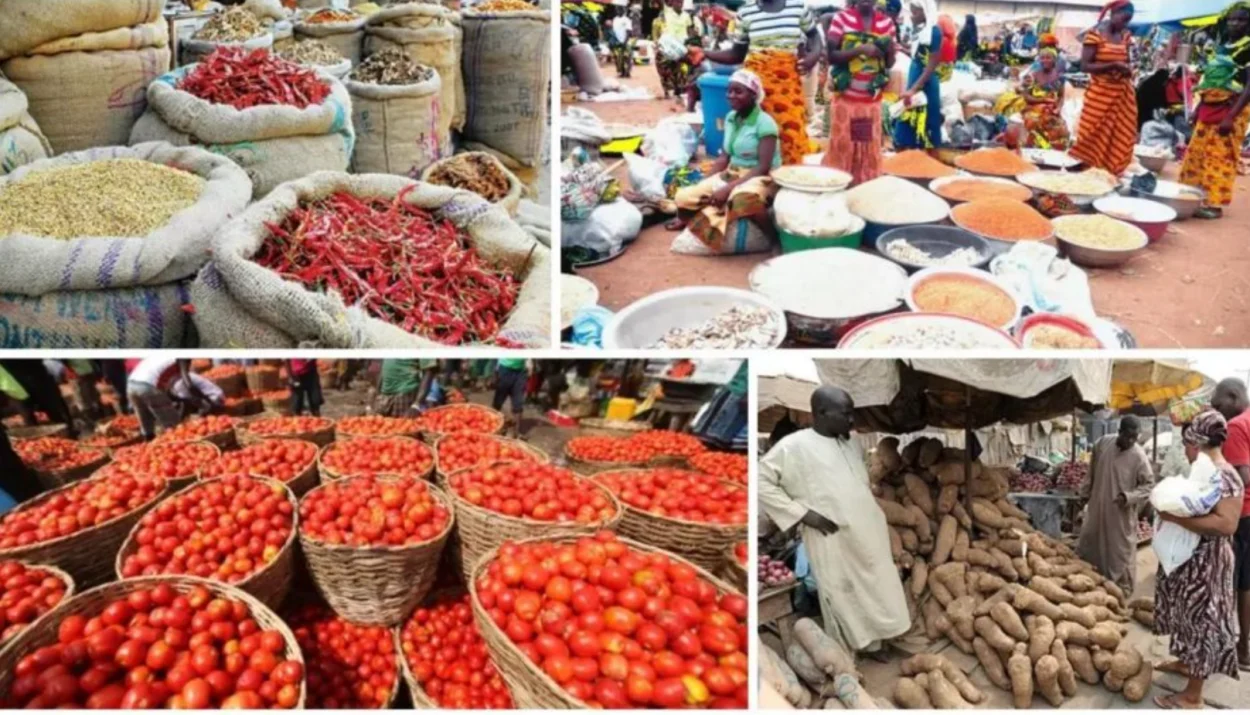
With the Food Sub-index rising to 37.77% year over year, a 7.13 percentage point increase from 30.64% in September 2023, food inflation has been especially bad. Grain, tuber, and cooking oil prices have increased significantly, and month-over-month food inflation has increased from 2.37% in August to 2.64%.
Excluding volatile food and energy prices, core inflation increased 5.59 percentage points from September 2023 to 27.43% year over year. Rents for housing, transportation, and medical care all saw notable price rises.
Rural consumers reported an inflation rate of 30.49%, a 5.55 percentage point increase, while urban consumers reported an inflation rate of 35.13%, up 6.46 percentage points from 28.68% the year before.
Bauchi had the highest regional inflation rate at 44.83%, followed by Jigawa (38.39%) and Sokoto (38.74%). However, with inflation rates below 27.71%, Delta, Benue, and Katsina had the slowest rates. Sokoto also had the highest rate of food inflation, rising a startling 50.47% annually.
The NBS emphasizes the pressing need for efficient policies to address the underlying causes of inflation and lessen the burden on consumers as Nigeria deals with these growing costs. In light of rising living expenses, the government is coming under more and more pressure to maintain economic stability and control prices.
In order to inform policy decisions and lessen their detrimental effects on citizens, the Statistician-General emphasized the significance of ongoing monitoring of inflation trends. In the coming months, authorities, companies, and consumers are anticipated to pay close attention to the effects of this inflationary tendency as Nigeria’s economic problems worsen.