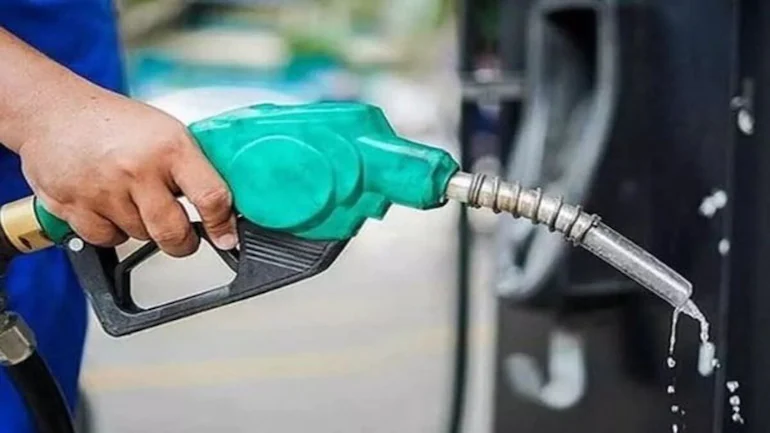

According to the Major Energies Marketers Association of Nigeria, the landing cost of Premium Motor Spirit (PMS), also referred to as gasoline or fuel, has dropped to ₦981 per litre on Thursday.
Due to the recent drop in the price of crude oil globally as of September 25, 2024, the petrol landing cost was about ₦1,130 in the preceding weeks. This reduction represents a decrease of more than ₦140.
The price of refined petroleum products, such as gasoline, diesel, aviation fuel, and kerosene, is mostly determined by the price of crude oil and the fluctuations in foreign exchange rates.
The worldwide benchmark, Brent crude, was trading at an average price per barrel of over $80 in August 2024, but this month it has been ranging between $70 and $75.
According to industry data from the Petroleum Ministry, it was registered at $71.41 per barrel on Thursday, down from $73.46 per barrel the day before.
The average price of a barrel of Brent in August 2024 was $80.36, according to data from the international statistical company Statistica. This represents a decrease from the previous month because of China’s decreased demand for oil and signals from the Organization of Petroleum Exporting Countries about possible production increases.
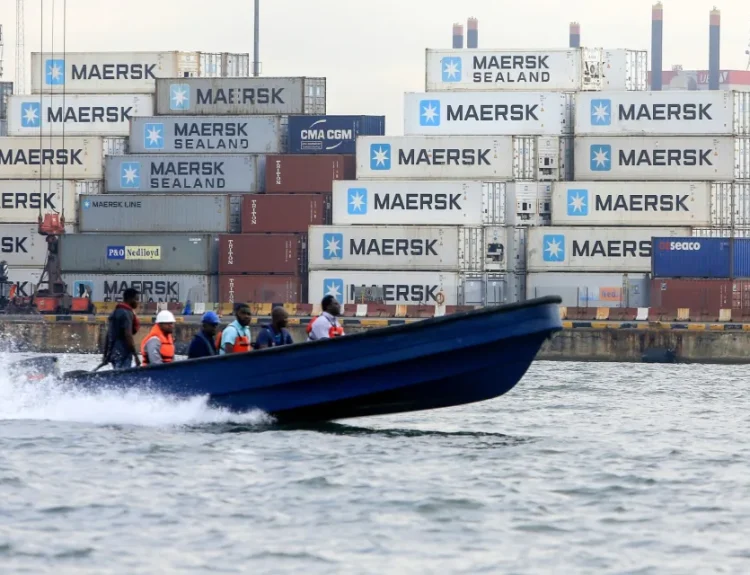
Major oil marketers have started importing the product due to the nation’s growing pump prices and declining fuel landing cost.
NNPCL
Before the recent spike in fuel prices and the Dangote Petroleum Refinery’s start of production and distribution, the Nigerian National Petroleum Company Limited (NNPCL) had the sole right to import gasoline into the country.
On September 18, 2024, three well-known oil marketers expected ships loaded with gasoline from abroad to arrive the week before, barring any unforeseen circumstances.
The marketers stated that these vessels were carrying about 141 million liters of Premium Motor Spirit (PMS) to Nigeria after the federal government completely deregulated the downstream oil industry.
On Thursday, they verified that a few of these boats had made it to the coast of Nigeria.
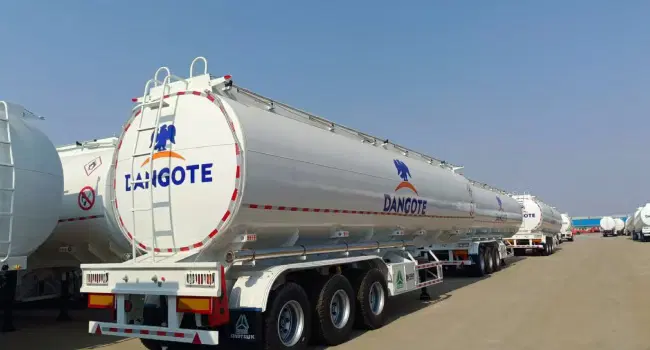
After relying on fuel imports for more than 20 years, the Dangote oil refinery is now producing more gasoline locally at the same time as this development.
As per the report by MEMAN, the Major Oil Marketers Association of Nigeria, the landing cost of gasoline started to decrease in the middle of July and fell below N950 in the beginning of September.
Remarkably, this decline happened despite the dollar’s strengthening relative to the naira, since the landing cost was computed at ₦1,667.22 for every dollar.
According to MEMAN, the average ex-depot price of gasoline as of Wednesday was between ₦865 and N1,200 in Lagos, ₦980 and N1,400 in Calabar, and between ₦1,200 and N1,400 in Port Harcourt.
The top marketers also disclosed that aviation fuel costs ₦1,117.34, while diesel now has a landing cost of N1,089 per liter.
It was observed that the ex-depot price of diesel varies between ₦1,200 and ₦1,200 in Calabar and Port Harcourt, with an average of ₦1,165 in Lagos.
Furthermore, it was noted that, assuming a purchase price of ₦898, which the Nigerian National Petroleum Company claimed to have paid for Dangote’s fuel, the price difference between imported and Dangote-produced gasoline might be ₦83.
Although representatives of the $20 billion refinery have denied selling the NNPC their fuel at N898, they haven’t offered a substitute amount in more than a week.
It is important to note that the Dangote refinery introduced its locally produced fuel on the same day that the NNPC increased the price of gasoline.
Olufemi Soneye, a spokesman for the NNPC, recently stated that prices might go as high as ₦1,019 per liter in places like Borno State, while they might be fixed at ₦999.22 in places like Abuja, Sokoto, and Kano.
The cost per litre is anticipated to be N960 in the southern regions, which include Oyo and Rivers.
According to an infographic released by the NNPC, the lowest recorded price in Lagos and the surrounding areas is ₦950.
It has been observed, nevertheless, that gas costs can surge to ₦1,200 or higher in some parts of Nigeria, even if several large shops in Lagos still sell a litre for ₦910.
Dapo Segun, the Executive Vice President of Downstream at the NNPC, made it clear that while a deal has been made with the Dangote refinery’s management, price will ultimately be set by the state of the market at a recent media session with well-known journalists.
Segun also gave information on the talks that took place between Aliko Dangote and the NNPC.
“This is how much I want for it (PMS),” Dangote told us. And we say, “Hey, Dangote, we won’t pay you this much for it because if we go out there, we can get it for this much.” We then started the bargaining. And it took us more than a week to finish that negotiation. The officials from Dangote will present their credentials, we will present a counter, and they will present a revised position, and we’ll counter it.
“In the end, we managed to come to a consensus regarding the cost to bear it,” stated Segun.
He highlighted a claim made by Soneye that the business would only hoist the Dangote PMS if it was less expensive than an imported one.
Nigerians are hoping that when the naira crude sale starts on October 1, 2024, the price of PMS would plummet. In the meantime, the sale of PMS to NNPC is still ongoing at the Dangote refinery.