
Following the loss of fuel subsidies and the recent increase in the price of Premium Motor Spirit (petrol), which has greatly increased the country’s misery, Nigerian private automobile owners are increasingly turning their vehicles into commercial services to offset growing fuel costs.
According to the findings, the Nigerian National Petroleum Company Limited (NNPCL) increased petrol prices from N897 to N1,030 per liter, aggravating Nigeria’s already severe economic position.
Experts warn that the hike will drive more people into poverty, exacerbating the current cost-of-living issue.
Fuel prices have risen dramatically across the country, an average of 174.6 percent, as a result of recent adjustments.
This has put additional hardship on consumers, as the withdrawal of fuel subsidies and currency devaluation have resulted in even higher pricing for goods and services.
According to figures from the National Bureau of Statistics, Nigerians have been badly hurt by increasing inflation, with the country’s inflation rate reaching 22.41 percent in May, considerably surpassing wage increases.
The research revealed that gasoline and transportation were the second and fourth largest drivers to inflation growth, respectively.
“Food and non-alcoholic beverages contributed the most to the acceleration in headline inflation (11.61 percent), followed by housing, water, electricity, gas, and other fuels (3.75 percent), clothing and footwear (1.71 percent), and transportation (1.46 percent)”.
With inflation at 33.95 percent, food prices have soared, causing severe suffering among families reliant on fixed incomes.
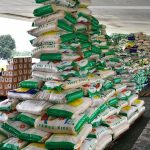
Many people are struggling to purchase basic essentials, with reports of rice prices topping N100,000 per bag.
Nigerian people and economists alike have encouraged the government to implement measures to reduce the financial burden on households, as consumers continue to express concern over rising egg and meat prices, particularly for cattle.
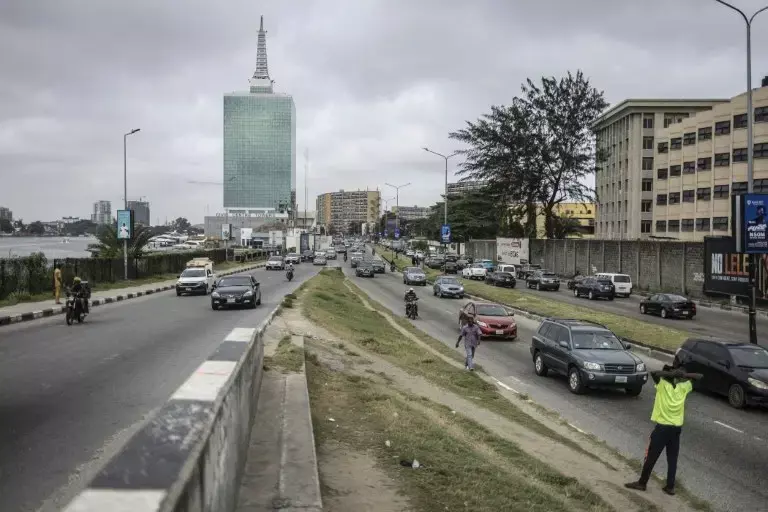
During this time, several private car owners have turned to commercial driving to help cover part of their daily gasoline expenses. They transport people along their routes when heading out, which, they claim, helps to mitigate the impact of the price increase.
This development has prompted many private automobile owners to become part-time cab drivers in order to alleviate the consequences of the recent gas price increase.
Akinolu Olu, who works in Utako, Abuja, and resides in Lugbe, says he now charges his neighbors for transportation to and from work, a practice that began after the fuel subsidy was eliminated.
“Prior to the withdrawal of fuel subsidies, I would carry four of my neighbors for free. However, due to the price rise, I now charge N700 per passenger for each trip,” Olu explained.