
The federal government of Nigeria has committed to tackling the problem of visual impairment and blindness in young people.
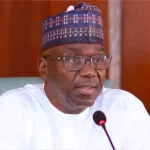
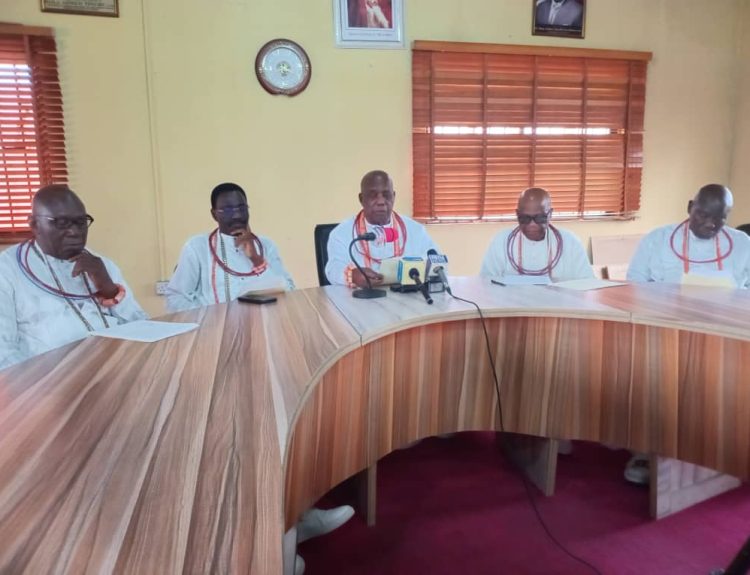
At a stakeholders’ meeting on Thursday in Abuja to commemorate this year’s World Sight Day, Professor Muhammad Ali Pate, the Coordinating Minister of Health and Social Welfare, launched this initiative.
According to Professor Pate, millions of kids worldwide struggle with uncorrected eyesight issues that limit their ability to learn and grow in the future.
The Minister stated that the campaign’s theme, “Love Your Eyes Kids,” highlights our shared duty to guarantee that every child has the ability to see the world clearly and precisely and emphasizes the importance of vision for a child’s general development as well as their intellectual growth.
The minister, accompanied by Dr. Charles Nzelu, Director of Special Projects, stated that improving eye health is essential to accomplishing a number of Sustainable Development Goals (SDGs) of the UN, such as gender equality, improved health and well-being, poverty eradication, and high-quality education.
He went on, “We must work together to raise awareness and advocate for better policies, increase access to comprehensive eye care, incorporate eye health into healthcare systems, and develop creative ways to do so.”
The minister also revealed that the integration of Primary Eye Care (PEC) into Primary Health Care (PHC) was one of the government’s initiatives and interventions to improve access to vision care nationwide, according to a statement made by Alaba Balogun, the ministry’s deputy director of press and public relations.
According to him, this would guarantee that everyone, including children, would have access to basic eye care services; it would also establish partnerships with other line ministries such as education, transportation, the private sector, and the media to accomplish sustainable goals; and it would officially launch the Effective Spectacular Coverage Initiative Nigeria (ESCIN) Jigibola 2.0.
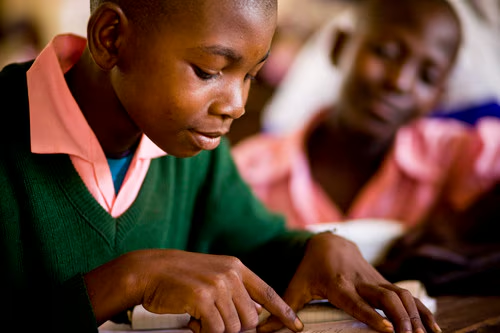
He added that at least 450 million children have a sight condition and require treatment, with 90 million of them experiencing some form of vision loss. As a result, he urged parents, caregivers, and educators to support the initiative, which will benefit millions of children living with sight challenges.
Christoffel Blenden Mission (CBM) International representative Angela Ujah said in her goodwill message that it is encouraging to know that efforts are being made to make eye care services available, affordable, and accessible to Nigerians, particularly to Nigerian children. She also stated that much-needed information and awareness about eye health are being provided.
Previously, Dr. Oteri Okolo Eme, National Coordinator, Eye Health Programme, on behalf of Permanent Secretary Kachallom Daju said, “the World Health Day serves as a powerful platform to spotlight these challenges and to galvanize our efforts toward effective solutions.”
According to her, the topic serves as a moving reminder of the significance of vision in children’s lives.
“However, a great number of children in Nigeria still experience avoidable vision impairment as a result of a lack of knowledge and access to crucial eye care services,” the speaker stated.
“To achieve the strategic objectives for eye health as clearly outlined in the National Eye Health Strategic Development Plan 2024-2028,” Daju continued, “we must work together.”