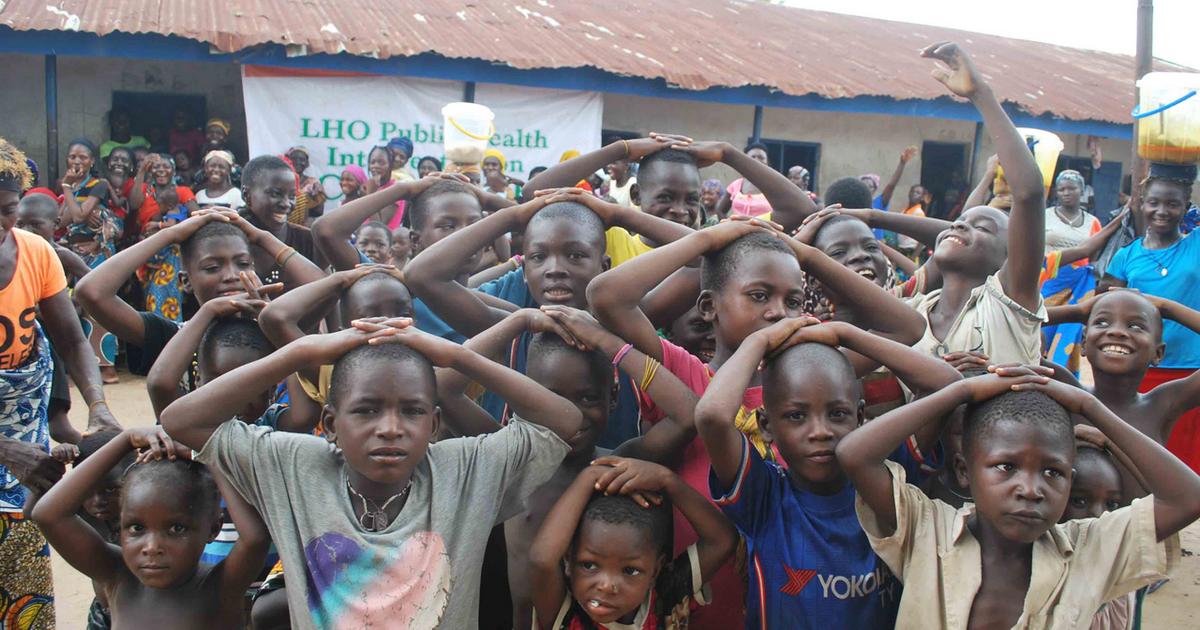

In the northwest region of Nigeria, the European Union (EU) has started a program to reintegrate 417,661 out-of-school children.
At the official inauguration of the “Accelerating Basic Education and Livelihood Opportunities for Children and Youth in North West Nigeria” Program (ABEP), which took place in Dutse, the capital of Jigawa State, consortium lead Tobi Ransomed revealed this.
She pointed out that in order to guarantee that the large percentage of out-of-school children in the area achieve their full potential, a comprehensive strategy involving all pertinent parties is needed.
Save the Children International, PLAN, and Development Alternatives Incorporated (DAG) will carry out the three-year pilot program (ABEP) in twelve local government areas in the states of Kano, Jigawa, and Sokoto.
Over 10 million primary school-age children are not enrolled in school in Nigeria, accounting for 10% of all out-of-school children worldwide, according to data from Save the Children International (SCI). In the nation, 10% of boys and 25% of girls have experienced sexual violence.
According to Mrs. Tobi, the program’s objective is to help 324,000 young girls and boys and 32,400 people with disabilities move into formal or non-formal education by expanding their access to safe, high-quality, and inclusive alternative and accelerated education programs.
With 20,000 beneficiaries in each participating state, the project aims to expand access to green job prospects, vocational education, and livelihood opportunities for 60,000 youths and 6,000 people with disabilities, she continued.
The overall goal, according to Tobi, is to empower the most marginalized, underprivileged, and impoverished demographic groups—such as women, girls, and young people—by giving them access to high-quality, inclusive, gender-sensitive, and conflict-sensitive education in northwest Nigeria (Kano, Jigawa, and Sokoto States).